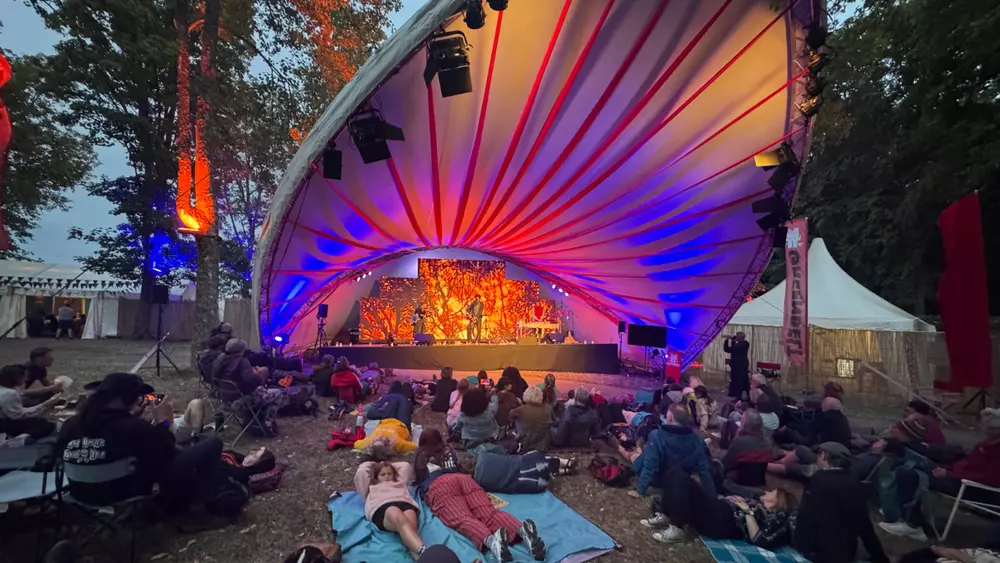
For decades, Greenbelt Festival has been a place where people gather to celebrate art, faith, and justice. In 2025, the festival continued to grow its reach by offering audiences the chance to join remotely through the No Fly Zone – a dedicated online platform where ticket holders could watch live from home.
As a long-standing partner of the festival, Stream7 returned to deliver the No Fly Zone for its second year. The brief remained ambitious: deliver broadcast-quality live streams directly from a rural field, with no permanent internet infrastructure .
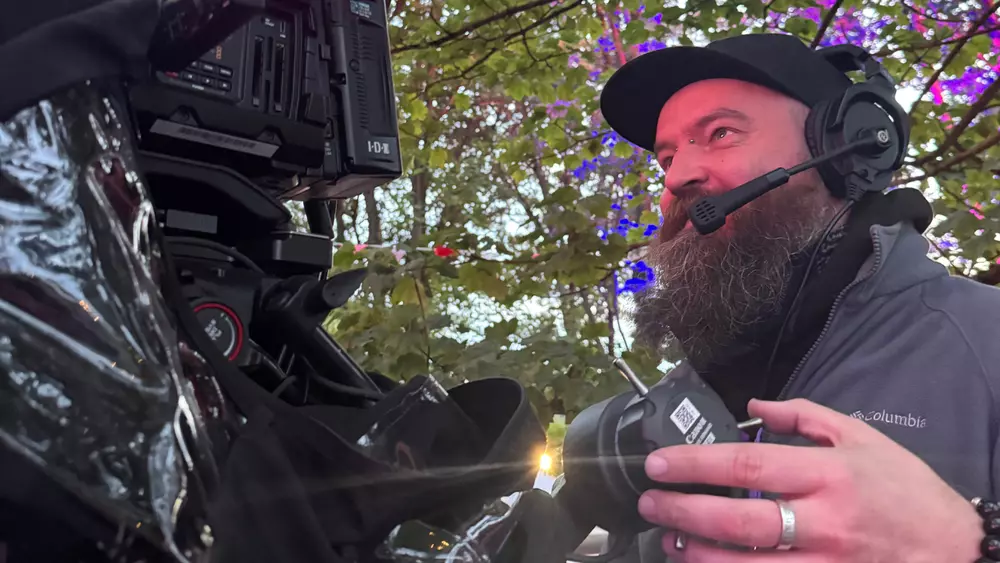
The biggest challenge of any outdoor festival is connectivity. Fields are not designed for streaming; they lack fibre, structured networking, and reliable 5G coverage. To support an online audience, our team installed a complete temporary connectivity system on-site.
Bonded Technology: At the heart of this was Dejero’s bonded cellular networking technology, which combines multiple mobile signals into a single connection.
Network Resilience: By bonding across several networks simultaneously, the system was designed to maintain connectivity even if specific carrier coverage fluctuated.
Active Management: Our technical team carried out signal surveys, configuration, and testing to balance bandwidth allocation across the weekend.
This planning allowed us to handle video streaming as well as the data traffic required for platform integration and live engagement tools.
With connectivity strategies in place, the next step was to make the No Fly Zone stage stream-ready. Over the course of the festival, we streamed 21 individual sessions, including music, comedy, panels, and keynote speakers.
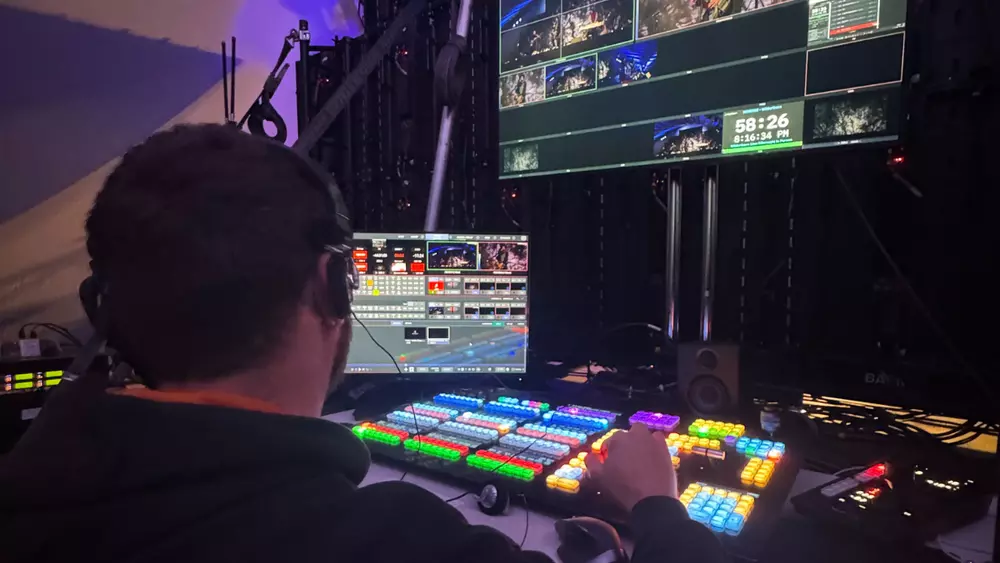
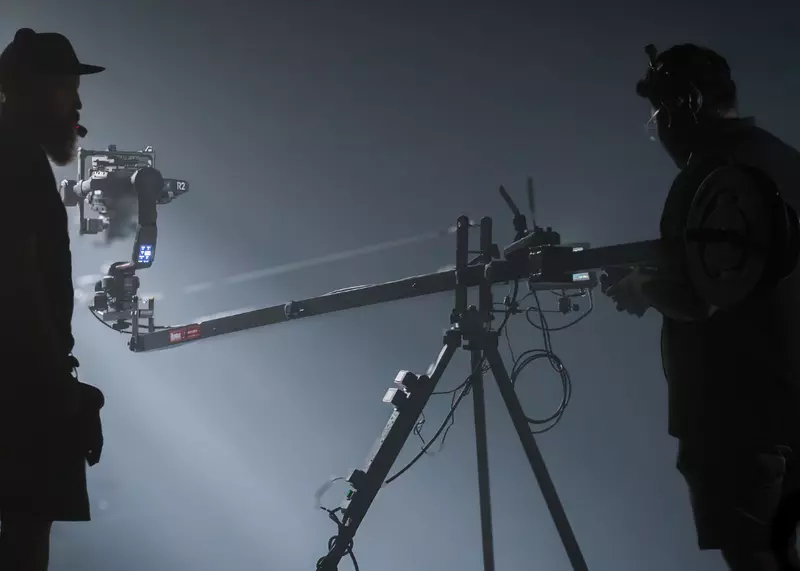
Broadcast Quality: Each session was captured using broadcast-grade camera systems, ensuring high-quality visuals that matched the production values of traditional television.
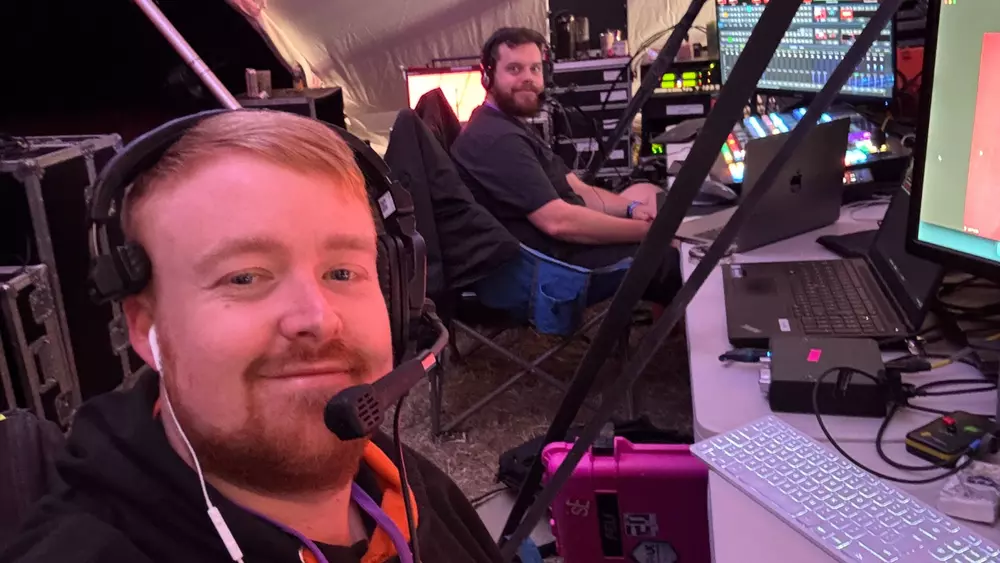
Live Mixing: Feeds were mixed live on-site, then streamed directly to the No Fly Zone platform for ticket holders to watch in real time.
Environmental Challenges: The field environment presented unique demands, including constantly changing outdoor lighting and the need to manage power supplies carefully.
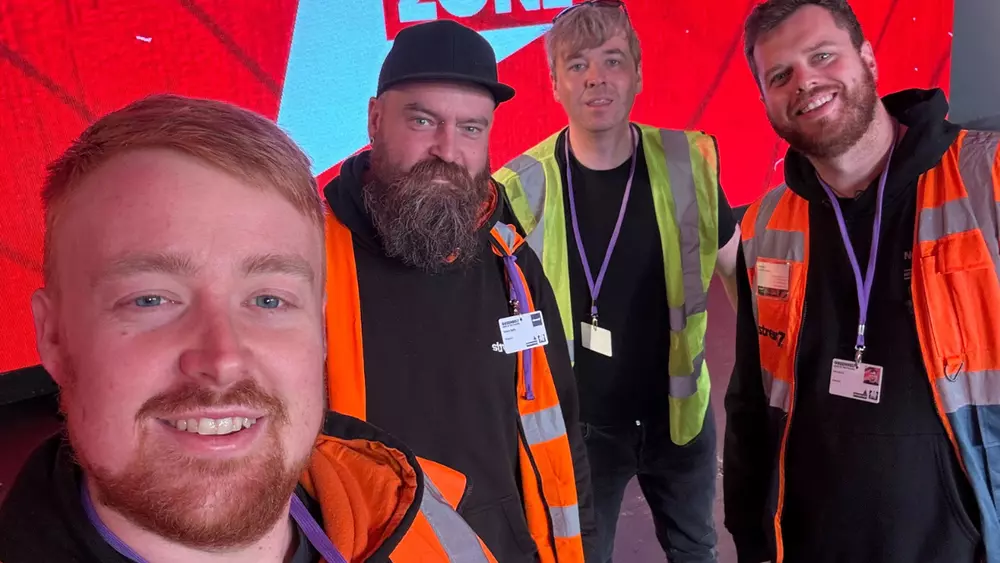
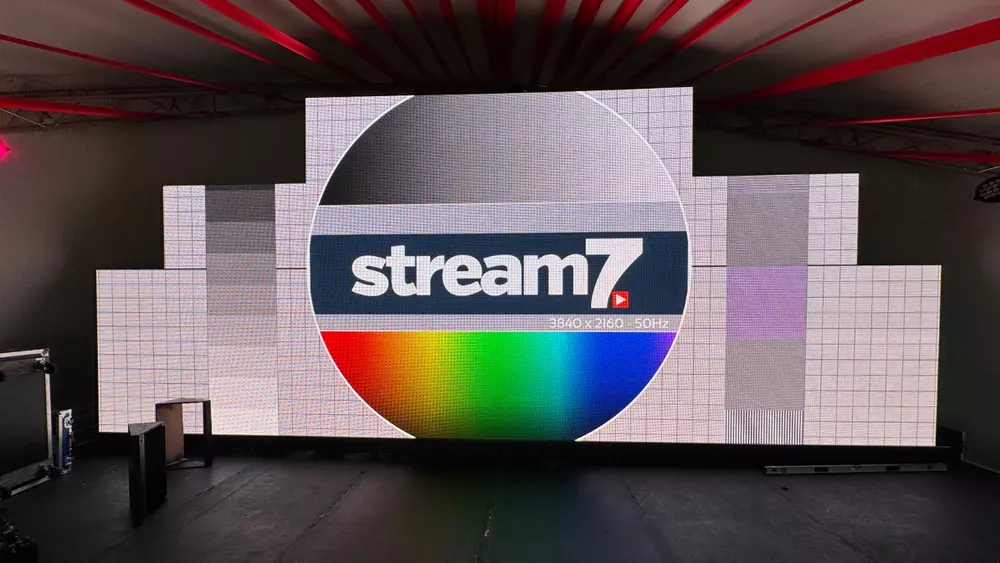
Unlike permanent venues, there was no pre-installed AV infrastructure – every cable, light, and piece of networking had to be designed, deployed, and tested by our team.
The result was a weekend of high-quality live content delivered from a challenging temporary location. By combining resilient connectivity with professional mixing and monitoring, we worked to bring the festival atmosphere to online viewers.
Operating in this environment requires specialist technical knowledge. Configuring Dejero bonding, installing and tuning a mast in a temporary location, and managing multi-session live broadcasts back-to-back requires both planning and live-event adaptability. Throughout the event, our team monitored network health constantly, adjusting in real time to manage the variable conditions inherent to a field setting.
The No Fly Zone was more than just a technical achievement – it was a statement about how festivals can become more inclusive and sustainable.
Inclusivity: Online access made Greenbelt available to people who couldn’t attend in person, whether due to cost, illness, disability, or mental health.
Affordability: Online tickets provided a lower-cost option for those unable to budget for travel and accommodation.
Accessibility: Delegates from around the world could join without the need for long-distance travel.
Sustainability: By reducing the number of people travelling to the site, the online option helped cut the festival’s environmental footprint.
For Stream7, Greenbelt 2025 highlighted our ability to bring broadcast-quality production to unconventional spaces. From forests to factory floors, we specialise in transforming challenging environments into professional streaming venues.
The future of festivals is hybrid. By offering both in-person and online access, organisers can engage wider audiences, reduce environmental impact, and create new revenue streams. Greenbelt 2025 showed how this can be done – and Stream7 was proud to be the technical partner working to make it possible.