Hybrid events are now a core part of the events industry. Whether you are delivering a company conference, awards ceremony, charity fundraiser, training event, town hall, or live panel discussion, audiences increasingly expect the flexibility to join both in-person and online.
But not all hybrid event production companies offer the same level of expertise.
Choosing the right production partner can have a huge impact on audience experience, event reliability, engagement, accessibility, and ultimately the success of your event. From technical delivery through to contingency planning, the best hybrid event production companies work as an extension of your team - solving problems before they happen and helping your event run seamlessly.
In this guide, we explore exactly what to look for when evaluating hybrid event production partners, alongside a practical checklist to help you make the right decision.
What Is a Hybrid Event Production Company?
A hybrid event production company specialises in delivering events that combine both live, in-person audiences and remote online attendees.
This typically includes services such as:
- Live streaming and broadcasting
- Audio visual production
- Multi-camera filming
- Event staging and set design
- Presentation management
- Remote speaker integration
- Event platforms and audience engagement tools
- Recording and on-demand content
- Connectivity and internet solutions
- Technical project management
A strong hybrid production partner ensures both audiences receive a high-quality experience - not just those physically in the room.
Why Choosing the Right Partner Matters
Hybrid events are far more complex than simply adding a camera to a live event.
You are effectively delivering two experiences simultaneously: an engaging in-room event and a broadcast-quality online production.
That requires specialist technical knowledge, experienced crews, reliable systems, and strong communication between all stakeholders.
The wrong production partner can lead to poor audio quality, streaming failures, delayed sessions, frustrated online audiences, technical issues with remote speakers, lack of engagement, and weak audience retention.
The right partner helps reduce stress, protects your reputation, and improves the overall impact of your event.
Hybrid Event Production Company Checklist
When comparing suppliers, here are the key areas to assess.
1. Proven Hybrid Event Experience
One of the first things to evaluate is whether the company genuinely specialises in hybrid events.
Some AV suppliers may offer streaming as an add-on service, but hybrid delivery requires a dedicated understanding of both live event production and broadcast workflows.
Look for a proven track record in hybrid event delivery, experience across multiple event formats, long-term industry knowledge, strong case studies, and clear examples of handling both large and small audiences.
Stream7 is one example of a specialist hybrid event production company with over a decade of experience delivering hybrid, virtual, and live events across corporate, charity, education, medical, and cultural sectors.
Their portfolio includes everything from global conferences and internal communications events to rural outdoor live streams and interactive charity events.
2. Technical Expertise and Broadcast Quality
A successful hybrid event depends heavily on technical quality.
Audiences are increasingly used to consuming high-quality online content daily. Poor sound, unreliable streams, or weak visuals can quickly damage engagement.
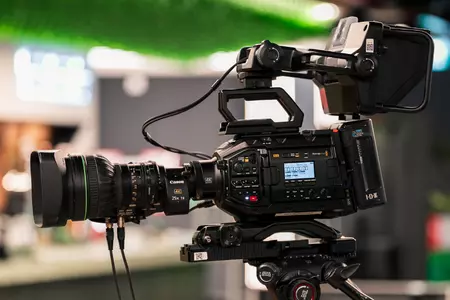
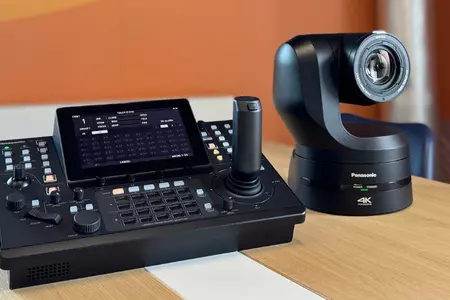
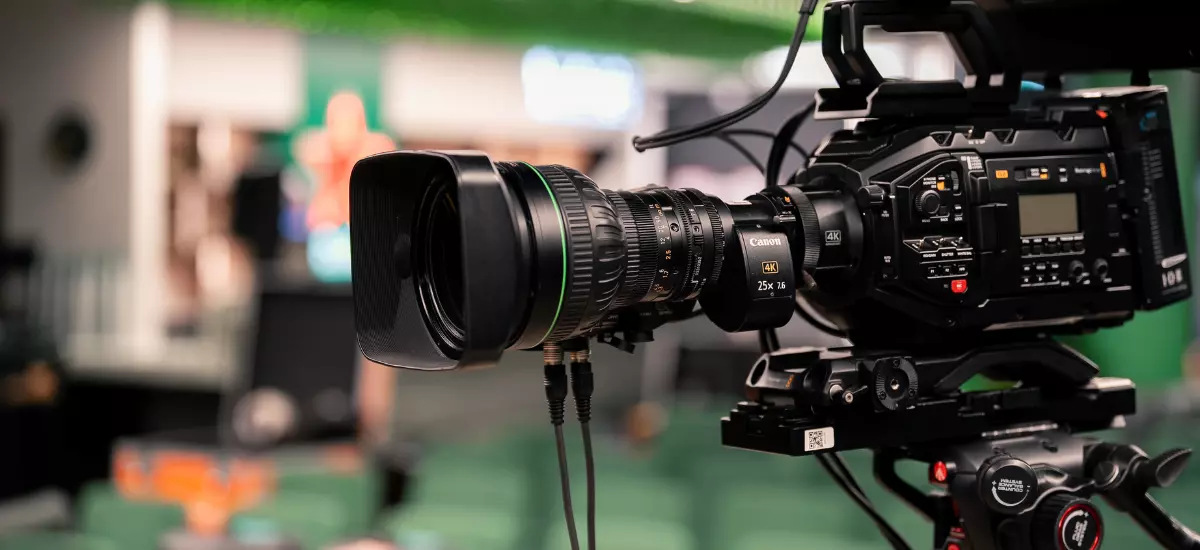
A strong hybrid event production company should offer professional camera systems, broadcast-grade audio, vision mixing capabilities, reliable streaming workflows, redundancy and backup systems, skilled technical operators, and platform expertise.
Audio is especially critical. If online attendees cannot clearly hear presenters, engagement drops immediately.
Ask suppliers what streaming platforms they support, how they manage backup systems, what internet redundancy they provide, whether they can handle remote contributors, and what accessibility features are available.
3. Real-Time Problem Solving Capability
Live events are unpredictable.
Speakers run late. Internet connections fail. Remote contributors have technical difficulties. Timings change.
The best hybrid event production companies are calm under pressure and highly adaptable.
This is often what separates experienced production specialists from less experienced suppliers.
When evaluating a partner, ask how they handle technical failures, what contingency plans are in place, whether they can adapt quickly during live delivery, and how experienced the on-site team is.
Real-world experience matters enormously in hybrid production.
For example, Stream7 has delivered hybrid broadcasts in challenging environments including remote forests, outdoor sporting events, historic venues, factory floors, and temporary event spaces where connectivity and logistics required advanced technical planning and rapid troubleshooting.
4. End-to-End Event Support
Some suppliers only provide equipment. Others provide a fully managed production service.
For many organisations, an end-to-end approach is significantly more valuable because it reduces internal workload and improves coordination.
Look for companies that can support event planning, technical consultation, venue liaison, stage design, streaming setup, speaker management, rehearsals, live production, recording, editing, and post-event content delivery.
A fully managed hybrid event production company becomes a strategic delivery partner rather than simply a supplier.
5. Portfolio Diversity
Different sectors require different approaches.
A corporate town hall has very different requirements to a medical conference, awards ceremony, charity event, or festival live stream.
A diverse portfolio demonstrates flexibility and adaptability.
Look for experience across corporate events, conferences, awards ceremonies, internal communications, charity and fundraising events, educational events, public sector events, cultural events, and entertainment events.
This breadth of experience often helps production teams anticipate challenges and apply best practices from different sectors.
6. Audience Engagement Capabilities
Hybrid events work best when remote audiences feel actively included rather than simply watching passively.
Good hybrid event production companies should help you improve audience participation through tools such as live Q&A, polling, audience chat, interactive platforms, remote networking, live captions, and multi-language support.
The online audience experience should feel intentional and engaging.
Ask suppliers how they keep virtual audiences connected throughout the event.
7. Accessibility and Inclusivity
Accessibility should be considered from the beginning of event planning.
An experienced hybrid production partner should be able to support closed captions, live subtitles, BSL interpretation feeds, multi-language translation, accessible streaming platforms, and flexible viewing options.
Hybrid events can significantly improve accessibility for audiences who may not otherwise be able to attend in person.
8. Connectivity Expertise
Reliable internet connectivity is essential for hybrid event delivery.
Experienced production companies understand how to protect streams against connection failures using bonded cellular technology, dedicated internet lines, network redundancy, satellite connectivity, and advanced monitoring systems.
This becomes especially important for outdoor events, temporary venues, or historic buildings where infrastructure may be limited.
9. Communication and Collaboration
Technical expertise is important, but communication is equally valuable.
Your production company should feel like a collaborative partner throughout the process.
Look for teams that communicate clearly, respond quickly, offer proactive suggestions, understand your objectives, explain technical information simply, and work collaboratively with venues and agencies.
The best production teams reduce stress and help clients feel confident throughout the event lifecycle.
Questions to Ask Before Choosing a Hybrid Event Production Company
Before making a decision, consider asking:
- How many hybrid events have you delivered?
- Can you provide relevant case studies?
- What contingency plans do you use?
- What accessibility features are available?
- Do you provide full project management?
- What platforms do you support?
- Can you support remote speakers internationally?
- What happens if internet connectivity fails?
- How do you support audience engagement?
- What post-event content services are included?
Why Experience Matters in Hybrid Events
Hybrid events combine live events, broadcasting, streaming, digital engagement, and technical infrastructure into one production.
That complexity requires more than just equipment.
It requires experience, planning, communication, and the ability to react instantly when circumstances change.
Specialist companies like Stream7 bring that expertise through years of delivering hybrid events across multiple sectors and environments, helping organisations create engaging experiences for audiences anywhere in the world.
Selecting a Production Partner You Can Trust
Choosing the right hybrid event production company is about far more than comparing equipment lists or pricing.
You need a partner that understands both the technical and human side of events: a team that can deliver broadcast-quality production, solve problems in real time, support your audience experience, protect your event reputation, and work collaboratively from planning through to delivery.
The best hybrid event production companies help make complex events feel effortless.
If you are planning a hybrid event and want support from an experienced production partner, Stream7 delivers hybrid, virtual, and live event production across the UK and internationally, supporting organisations with end-to-end technical delivery, streaming, content creation, and audience engagement.