January is planning season, and your spring conference is closer than it looks. If you are weighing up in-person, virtual or a mix of both, this guide will help you land on a hybrid format that feels simple, inclusive and reliable. We will cut the jargon, lay out a practical run of show from doors open to on-demand, and share a checklist you can use with any venue. You will also see how Stream7’s end-to-end approach removes the stress so you can focus on the content, not the cables.
What is a hybrid event?
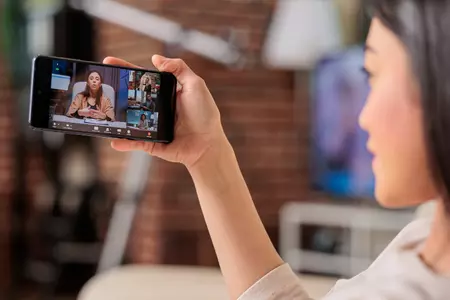
A hybrid event brings an in-room audience and a remote audience together at the same time. Presenters can be on stage or joining from home or office. The experience is designed so people in the venue and people online can see, hear and interact with each other. Think of a conference with cameras, broadcast graphics and a moderated online Q&A, where remote attendees vote in polls and submit questions that are seen on stage.
Done well, it broadens reach, improves accessibility and creates useful on-demand content.
What is hybrid event management?
Hybrid event management is the planning and delivery that makes a mixed audience work as one. It covers site surveys, power and connectivity design, camera and audio layouts, presenter onboarding, platform setup and the live show-calling that keeps both audiences in sync. At Stream7, this is end-to-end. We start with a site recce, confirm resilient connectivity using bonded 4G/5G and Starlink for failover, onboard presenters, build branded graphics, integrate moderated Q&A and polls, and enable accessibility with BSL and captions. After the event, we turn around edited sessions quickly for on-demand.
The 5 C’s of an event, made practical
- Concept: define outcomes, audience, accessibility needs and content formats. Decide what should be live, what can be pre-recorded, and what becomes on-demand.
- Coordination: align stakeholders, speakers and suppliers. Lock the venue plan, network design and show schedule early.
- Control: build a clear run of show, cue sheets and graphics lists. Test every link in the chain, from microphones to remote feeds.
- Communication: keep speakers and moderators informed with onboarding packs, rehearsal slots and a single point of contact.
- Contingency: plan for power, network and presenter backups. Have spare kit, alternative links and pre-recorded safety nets.
The 40, 20, 40 rule for meetings
This rule is a useful reminder that outcomes are driven by preparation and follow-up. Roughly 40 percent of success comes from planning and design, 20 percent from what happens in the live moment, and 40 percent from post-event actions. For hybrid events, that means investing in a tight brief and rehearsals up front, delivering cleanly on the day, then pushing on-demand sessions and clips quickly afterwards to maximise value.
How do you run a hybrid event? A simple run of show
Below is a sample timeline you can adapt. It assumes doors at 09:00 and first session at 09:30.
- Pre-day: site recce and tests
- Walk the venue to assess load-in, power, sightlines and rigging points. Map camera positions and IMAG screens.
- Confirm connectivity. We provision primary venue internet, bonded 4G/5G as active backup and Starlink as a further failover. We monitor links live.
- Agree platform, graphics and interactivity plan. Build lower thirds, holding slates and countdowns. Set up moderated Q&A and polls with clear moderation rules.
- Onboard presenters. Send tech briefs and book remote rehearsals to check lighting, audio and slide sharing. Collect pre-rolls and stings.
- Build and rehearsal day
- Load in, rig stage lighting, PA and projection. Position cameras, check angles and focus distances. Align IMAG feeds to stage action.
- Configure control room. Test vision mix, graphics, recorders and encoders. Validate audio routing to room, stream and assistive listening.
- End-to-end rehearsal with host, stage manager and remote contributors. Run cues, test Q&A and polling, confirm timings and handovers.
- Show day: doors open to closing remarks
- 08:00 Crew call, final checks, network failover tests, graphics loads.
- 09:00 Doors open. House music, holding slide and captions tested. Online lobby goes live with countdown and accessibility notes.
- 09:30 Opening. Host welcome, agenda slate, housekeeping for both audiences. BSL interpreter picture-in-picture or dedicated stream goes live.
- Morning sessions. Live switching between cameras and slides, remote presenter windows, moderated Q&A surfaced to the host. Polls run with results visualised on screen.
- Breaks. Online audience gets sponsor stings or short interviews from a floor popup studio. In-room screens display schedules and accessibility notices.
- Lunch. Quick highlight clip cut from the morning shared online to keep engagement up.
- Afternoon sessions. Panel with mixed in-room and remote speakers. Audience questions balanced across both groups.
- Closing. Clear call to action for on-demand library and feedback form. Thank you credits and partner logos.
- After the show
- Rapid upload of edited sessions. Our live-mix approach enables most sessions to be polished and uploaded within 90 minutes. Captions added, chapters applied.
- Share links to the on-demand hub with attendees and absentees. Push short social clips cut from key talks.
- Technical debrief and performance report, including engagement stats, Q&A summaries and any recommendations for next time.
What makes a successful hybrid event?
Success looks like an experience that feels natural and fair for both audiences. That starts with clear objectives and ends with fast, accessible content. The ingredients are straightforward:
- Reliability: resilient network design with bonded cellular and Starlink, clean power distribution, and tested signal paths.
- Clarity: great audio, good sightlines, and well-lit presenters. Slides and graphics that read well in-room and online.
- Interactivity: moderated Q&A, polls and chat that bring remote voices into the room and give in-person attendees a way to contribute digitally.
- Accessibility: BSL, captions and accessible documents planned from the start.
- Presenter confidence: onboarding, rehearsals and comfort monitors so contributors know what is on air.
- Speed to value: rapid post-event uploads, highlight reels and a tidy on-demand library.
Practical checklist for your venue and team
Use this list when you visit a venue or brief your internal stakeholders.
- Power and distribution: confirmed supply, clean circuits, backup options and locations for racks, cameras and stage lighting.
- Connectivity: wired bandwidth test with venue IT, cellular signal survey, bonded 4G/5G plan and Starlink line of sight if needed.
- Sightlines: can every seat see stage and IMAG screens, and can cameras see faces without obstructions.
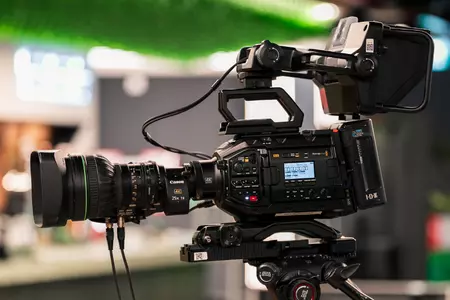
- Camera positions: fixed and roving angles, tripod space, cable runs, floor protection and access to a central control point.
- IMAG and screens: sizes, brightness, projection throw, LED options and relay screens for overflow areas.
- Stage and lighting: stage dimensions, set design, lectern height, lighting fixtures, DMX control and colour temperatures that suit cameras and skin tones.
- Audio plan: microphones, PA zones, hearing loop coverage, press feeds and remote contributor returns.
- Remote speaker rehearsals: tech checks for every remote contributor, backups for slides and a pre-recorded version if a connection fails.
- Graphics and branding: lower thirds, stings, countdowns, holding slates and sponsor assets delivered in advance.
- Accessibility: BSL interpreter camera plan, caption workflows and accessible handouts.
- Safety and logistics: load-in routes, crew parking, storage, security passes and finish times.
Examples you can model
- AGM with member voting - a cooperative AGM with 30 in the room and 200 online, integrated voting, live Q&A and a dedicated BSL feed. Members who could not travel still voted and asked questions in real time.
- Multi-room conference - a technical conference across 10 plus rooms, with consistent capture, live switching, and uploads to an on-demand portal within 90 minutes per session. Sponsors loved the extra reach and session longevity.
- Internal town hall - a leadership briefing streamed to satellite offices and home workers via Teams with a broadcast finish. Slides were crisp on IMAG in the room and online, and remote questions were fed to the stage host for balance.
Why the end-to-end approach matters
Hybrid events involve disciplines that must work together, from lighting and sound to network engineering and platform management. When one team plans the whole system, problems are caught early and the show feels effortless. Stream7 brings producers, camera crews, audio engineers, graphics operators and network specialists under one plan so you get a single point of accountability. Clients often tell us we made the day feel calm and seamless. That is the goal.
If you need broader support beyond the live day, our in-house team can also help with corporate video production for pre-event promos or post-event highlights. And if you are comparing approaches, our experience running virtual events informs how we keep remote audiences engaged without compromising the room.
Quick tips for January planners
- Lock the venue and network plan early. Bandwidth and rigging slots go fast.
- Confirm accessibility early. Booking BSL and agreeing caption workflows saves stress later.
- Script the handovers. A simple line like, “We will take a question from the online audience,” keeps balance front of mind.
- Record everything, even if not all of it goes live. It gives you options for on-demand.
- Keep slides simple. Large fonts and high contrast help both the room and the stream.
Ready to map your spring hybrid?
A clear plan, reliable connectivity and a supportive crew make the difference between tense and stress free. Book a site visit and we will create a bespoke hybrid plan for your venue, your audience and your goals, including
connectivity design, presenter onboarding, graphics, interactivity and fast on-demand delivery. Email hello@stream7.co.uk or call +44 114 360 5060 to get started.
To learn more about our approach to hybrid event production, you can explore hybrid events. If you are weighing options for platforms and remote workflows, see virtual event platforms and how they integrate with broadcast graphics. For kit planning across microphones, screens and stage fixtures, our audio visual equipment hire service outlines the core inventory we deploy and support.
In summary
- Hybrid events blend in-room and remote audiences into one experience when you plan for both from the start.
- Success comes from preparation and follow-up as much as the live day. Think 40, 20, 40.
- A solid run of show, resilient connectivity, clear audio and visuals, inclusive interactivity and accessible delivery are the pillars.
- Stream7’s end-to-end model, from site recce to rapid uploads, keeps your event smooth and your team relaxed.
Book a site visit and we will build your bespoke plan. Your spring conference can be simple, inclusive and successful.