Many organisations spend months planning a conference, summit or internal event. Speakers are carefully selected, presentations are refined and teams invest significant time and budget into making the day a success. But once the event ends, something surprising often happens. The content disappears. The reality is that a well-planned event can produce weeks or even months of valuable content for marketing, communications and internal engagement. With a little planning, one event can generate a library of assets that continue delivering value long after the audience leaves the room. In this blog we explore how event organisers can transform a single event into 20 or more pieces of corporate content that support marketing, social media, training and internal communications. Events are often one of the biggest investments organisations make in communications. Whether it is a conference, leadership meeting, awards ceremony or product launch, these moments bring people together to share important ideas. However, the audience in the room is usually only a fraction of the potential reach. Filming and capturing content allows organisations to extend the impact far beyond the venue. A presentation delivered to 200 people in a conference hall could ultimately be viewed by thousands if the content is reused effectively. If you want a clearer picture of what a production partner can handle, this guide may help: What does event production actually include? One of the most common mistakes organisers make is leaving content capture as an afterthought. The best results come when content is considered during the early planning stages. Simple decisions such as stage layout, lighting design and screen placement can dramatically affect how good recorded content looks. Planning ahead also makes it easier to schedule interviews, capture behind-the-scenes footage and gather speaker soundbites. If your event includes any online audience, it is also worth thinking early about hybrid structure and engagement so the content works for both audiences. Stream7 can support both hybrid events and virtual events with production and content capture built in from the start. The most obvious piece of content is the full recording of keynote sessions or presentations. These can be used as on-demand content for attendees, gated resources for lead generation, or internal training for teams who could not attend. Long presentations are valuable, but most online audiences prefer shorter content. Editing key moments into 30 to 90 second clips creates engaging social content that highlights speaker insight and keeps the event relevant after the day itself. A highlight reel combining the best moments from multiple speakers gives a fast-paced overview of the event. These videos are ideal for promoting future events, sharing with sponsors and providing a recap for attendees. Audiences love seeing what happens behind the scenes. Capturing rehearsals, stage set-up, speaker preparation and the production team at work creates authentic content that feels more personal than polished marketing material. Events give rare access to experts. Short interviews can create thought leadership videos, podcast content, short clips for social media and written Q&A pieces for your website. Photography is often overlooked, yet it feeds your website, social posts, PR, sponsor reporting and future event promotion. A single event can create a bank of images that gets reused for months. For internal events, filmed leadership messages and panel discussions can be edited into short cut-downs that ensure key messages land across teams who could not attend live. Key themes from talks can become multiple blog posts, while panel discussions can inspire opinion pieces or practical takeaways. Written content also supports SEO long after the event. Sponsors often want more than a logo on a screen. Interviews, short features and inclusion in recap content can significantly increase sponsor value and help future renewals. Recap content is one of the strongest ways to sell the next event. Real footage demonstrates atmosphere, quality and experience far better than a static flyer ever can. Here is an example of how quickly a single conference can create a full content bank. Three full keynote recordings, five short social clips, one highlight video, three speaker interviews, five behind-the-scenes clips, one recap blog and two sponsor interviews. That is 20 pieces of content already, and many events generate far more. Capturing all of this content does not have to be complicated, but it does require the right approach. Working with an experienced production team ensures cameras, audio and lighting are set up to capture high-quality footage without disrupting the live experience. It also allows organisers to plan capture efficiently, making the most of the time speakers and attendees are available. The result is content that feels professional, polished and genuinely useful. If you are exploring capture options for your next event, Stream7 can support event production, live streaming and content creation as part of one joined-up plan. Events require significant investment of time, effort and budget. By thinking about content capture from the beginning, organisers can ensure that the value of that investment continues long after the event finishes. Instead of a single day of activity, the event becomes a long-term content engine that supports marketing, communications and engagement across multiple channels. Want to plan content capture into your next event? Talk to Stream7.Why event content matters more than ever
Start thinking about content before the event
Content opportunities to plan for
1. Full session recordings
2. Short social media clips
3. Speaker highlight reels
4. Behind-the-scenes content
5. Speaker interviews
6. Event photography
7. Internal communications cut-downs
8. Blog articles and written content
9. Sponsor content
10. Future event promotion
What 20 pieces of content could look like
Making content capture easy
Making your event work harder
How to Turn One Event Into 20 Pieces of Content
One great event can fuel weeks of marketing and internal comms - if you plan for it. This guide shows event organisers how to turn a single conference, summit or awards ceremony into 20+ content assets, from social clips and speaker interviews to on-demand sessions and recap blogs.

With over 10 years of experience in Sales & Marketing across various industries, I'm passionate about connecting with new and existing contacts to unlock the potential of The Stream Team's services. I'm here to be your partner in growth, and I'm eager to spread the word about The Stream Team's capabilities far and wide!
Get In Touch
Connect with us by phone, email, or the form below. We’ll get back to you shortly to discuss your event’s technical and production needs.
Our team typically responds to all inquiries within 24 business hours.
Latest News
Discover how one event recording can become weeks of social, marketing, training and internal communications content.
A practical guide to event AV costs, what affects your production budget and how to choose the right technical setup for your event.
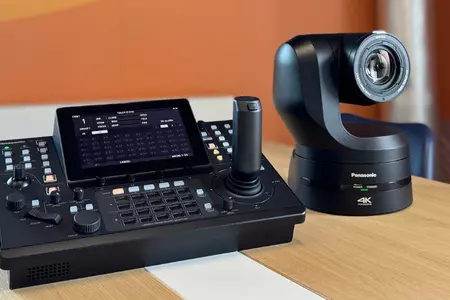
Stream7 has secured support through the Business Productivity and Digitisation Grant Scheme to invest in new Panasonic remote camera technology, enhancing its multi-camera capabilities for live, hybrid and virtual events.
Explore the different types of events, including in-person, virtual, hybrid, webinars and live streams, with a clear comparison of their costs, benefits and sustainability.