f you’re planning a conference, awards evening, corporate meeting or live event, one of the first questions you’re likely to ask is: how much does event AV cost?
Unfortunately, there isn’t a simple answer. Two events with the same number of guests can have completely different technical requirements, and therefore very different production costs.
Rather than looking for a standard price per person or per event, it’s more useful to understand what goes into an event production quote, where your budget is being spent and which elements are most important for your particular event.
What is included in event AV?
AV - or audiovisual production - can cover everything your audience sees and hears during an event.
Depending on the event, this could include sound systems and microphones, screens and projection, LED walls, lighting, cameras, live streaming, graphics, staging, internet connectivity and technical crew.
For some events, the requirement might be relatively simple: a PA system, microphones and a screen for presentations. For others, the production could involve multiple cameras, a large LED backdrop, live graphics, remote speakers, online audiences and a full technical team.
This is why comparing event AV purely on price can be difficult. The important question isn’t necessarily “how much does AV cost?” but “what does my event actually need?”
What affects the cost of event production?
Several factors determine the overall event production cost.
The size and type of venue
A small meeting room and a large conference hall need very different equipment.
The size and shape of the room can affect the number of speakers, screens, lights and cameras required. Existing venue infrastructure also makes a difference - some venues have useful equipment already installed, while others require the entire technical setup to be brought in.
A technical site visit can often identify these requirements before an event and avoid unnecessary equipment or last-minute surprises.
Audience size
A larger audience doesn’t automatically mean a dramatically larger AV budget, but it can affect the scale of the production.
For example, larger rooms may require additional speakers so everyone can hear clearly, repeater screens so delegates at the back can see presentations, or image magnification using cameras and screens.
The aim should always be to create a consistent experience wherever somebody is sitting.
Sound requirements
Sound is one of the most important parts of any event.
The cost will depend on factors such as the number of microphones required, whether speakers are presenting from a stage or moving around the room, music and playback requirements, audience Q&A and the size of the PA system.
It’s also worth remembering that good sound isn’t simply about equipment. An experienced audio technician managing levels throughout the event can be just as important as the microphones and speakers themselves.
Screens, projection and LED
How you display content can have a significant impact on the overall event AV cost.
Smaller events may only require one or two screens, while larger conferences might use projection, multiple displays or an LED wall as part of the stage design.
The right option depends on the venue, audience size, content and the look you want to achieve - bigger isn’t always better.
Lighting
Lighting can range from simply making sure speakers are properly lit to creating a complete visual design for an event.
Stage lighting, room lighting, branding, colour washes and architectural lighting can all transform how a space looks. Lighting becomes particularly important if an event is being filmed or streamed, as what looks fine to the human eye doesn’t always look the same on camera.
Cameras and filming
Adding cameras will increase production costs, but there are plenty of ways to scale a camera setup.
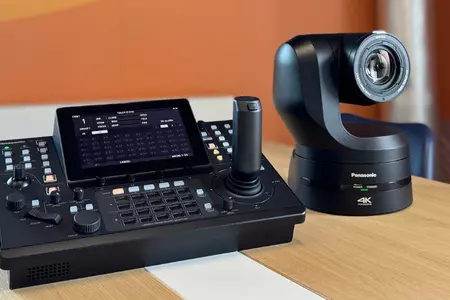
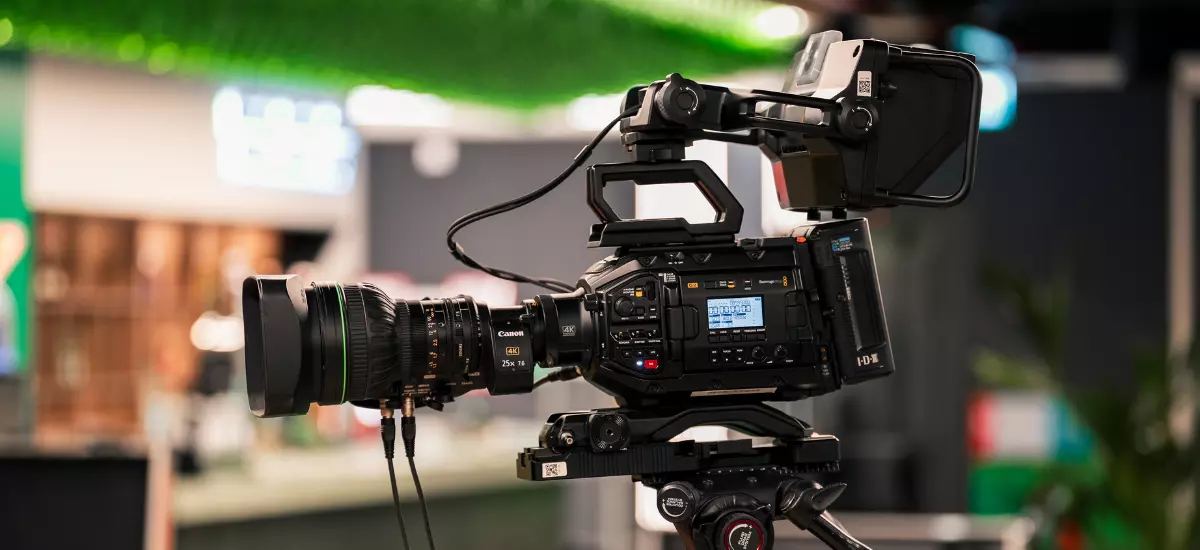
Some events may only need a single camera recording a speaker. Others might use several broadcast-quality cameras, remotely operated PTZ cameras or a combination of both.
If you’re already investing in filming, it’s worth thinking about what will happen to the footage afterwards too. Your event recording could potentially provide content for your website, social channels, internal communications and future marketing.
Live streaming and hybrid audiences
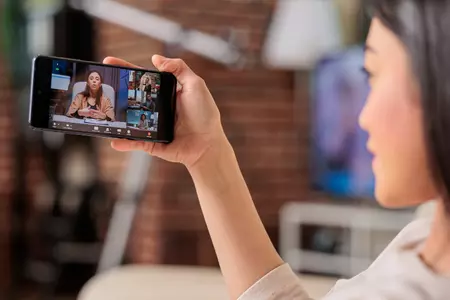
If people are joining remotely, additional technology and crew may be needed to create the online broadcast.
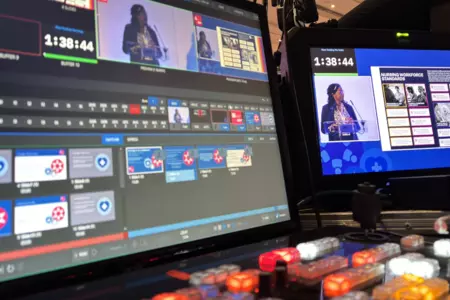
This might include cameras, vision mixing, presentation feeds, graphics, remote contributors, streaming platforms and dedicated internet connectivity.
A professional livestream is very different from simply placing a webcam at the back of the room. The aim is to give remote viewers an experience designed for them, rather than making them feel like they’re watching an event they weren’t able to attend.
Technical crew
People are a major part of any event production budget.
Depending on the scale of the event, you might need specialists covering audio, lighting, cameras, vision mixing, streaming and overall technical production.
Setup and rehearsal time also needs to be considered. A one-hour event doesn’t necessarily mean one hour of production - equipment may need to be installed the previous day, followed by testing, rehearsals and technical checks before the audience arrives.
Why the cheapest AV quote isn’t always the cheapest option
When comparing event production quotes, it’s important to check what is actually included.
One supplier might appear considerably cheaper but provide less equipment, fewer crew, no backup systems or limited setup time.
Last-minute additions can quickly increase costs, while technical problems during a live event can be much more expensive than getting the right solution in place from the beginning.
A good event production company should be able to explain what each element of a quote is achieving and, importantly, where you could simplify the setup if you need to reduce the budget.
How can you keep event AV costs under control?
One of the easiest ways is to involve your technical production team early.
If your AV supplier understands the event before major decisions have been made, they can help you choose a venue and format that work with your budget rather than trying to retrofit a technical solution later.
It’s also useful to establish your priorities.
If the online audience is crucial, investing in reliable connectivity and broadcast production might matter more than an elaborate stage design. If it’s an awards evening where atmosphere is everything, lighting and sound might take priority.
There are often several technical ways to achieve a similar result at different price points.
What information should you provide when asking for an AV quote?
You don’t need to know exactly which equipment you require. That’s the production company’s job.
However, it helps to provide:
- Event date and venue
- Approximate audience size
- Event timings
- Type of event
- Number of speakers or presenters
- Whether presentations or videos will be shown
- Whether the event needs to be recorded or streamed
- Any remote speakers or online audience
- Stage or branding requirements
- An approximate budget, if you have one
From there, your production team can recommend a technical solution.
So, how much should you budget for event AV?
There isn’t a useful one-size-fits-all figure.
A straightforward corporate meeting and a multi-stage conference might both be described as “events”, but their production requirements are completely different.
Instead of allocating an arbitrary percentage of the event budget to AV, start with the experience you want to create.
What does the audience need to see? What do they need to hear? Who needs to participate? Does anybody need to watch remotely? What content do you want to capture?
Once those questions are answered, a production company can build a solution around them.
At Stream7, we provide technical production for events ranging from straightforward corporate meetings through to conferences, awards, exhibitions and large-scale live broadcasts. Rather than starting with a fixed package, we look at the event, venue, audience and objectives before recommending the technology needed to deliver it.
If you’re planning an event and aren’t sure what technical production you’ll need, get in touch with the Stream7 team. We can help you work through the options and build a solution around your event and budget.